
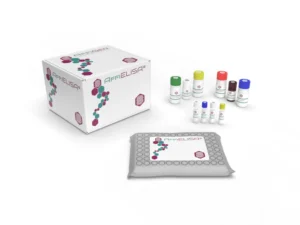
The Human Protein Wnt-3a ELISA Kit is a precise and sensitive immunoassay designed for quantifying Wnt-3a levels in human biological samples. This kit is critical for exploring the Wnt signaling pathway, which plays a pivotal role in cell development, differentiation, and diseases such as cancer, osteoporosis, and neurodegenerative disorders.
What is Wnt-3a?
Wnt-3a is a secreted glycoprotein that acts as a key ligand in the Wnt signaling pathway. This pathway regulates essential cellular processes like proliferation, migration, and stem cell maintenance. Dysregulation of Wnt-3a expression is associated with tumorigenesis, bone disorders, and developmental anomalies. To learn more about the Wnt signaling pathway, visit NCBI and NHGRI.
Key Features of the Human Wnt-3a ELISA Kit
- High Sensitivity and Specificity
The kit accurately detects Wnt-3a levels, even at low concentrations, in serum, plasma, and cell culture supernatants. Explore sensitivity in immunoassays at CDC Laboratory Methods. - Quantitative and Reproducible
Delivers consistent and reliable results across multiple samples. Review reproducibility standards at NIH Reproducibility Guidelines. - User-Friendly Protocols
Streamlined protocols minimize hands-on time while maintaining precision. Learn about best practices in ELISA techniques at FDA Science and Research.
Applications of the Wnt-3a ELISA Kit
- Cancer Research
Wnt-3a plays a significant role in oncogenesis and cancer stem cell regulation. Studies have shown its involvement in breast and colorectal cancers. Explore cancer biology at NCI. - Bone Biology
Wnt-3a is crucial in bone formation and remodeling by modulating osteoblast activity. For bone research resources, visit NIH Osteoporosis and Bone Biology. - Neurodegenerative Diseases
Dysregulation of Wnt signaling has been linked to Alzheimer’s and Parkinson’s diseases. Discover neurobiology research at NIH Neuroscience. - Developmental Biology
Wnt-3a is essential for embryonic development, including limb and neural tube formation. Learn about developmental pathways at NCBI Bookshelf.
Advantages of the Wnt-3a ELISA Kit
- High Sensitivity
Detects Wnt-3a in picogram-level concentrations, suitable for analyzing subtle biological changes. Explore assay sensitivity at NIST Biomarker Standards. - Broad Sample Compatibility
Works with various sample types, including serum, plasma, and tissue lysates. Refer to CDC Biospecimen Collection Guidelines. - Time-Efficient
The rapid and user-friendly assay protocol saves valuable time for researchers. Learn about optimizing ELISA workflows at FDA Laboratory Resources. - Multipurpose Utility
From clinical diagnostics to translational research, the Wnt-3a ELISA kit is adaptable to a wide range of studies. Review translational research methodologies at NIH Translational Science.
Protocol Overview
- Sample Preparation
Collect and prepare biological samples following standard protocols. For detailed guidelines, visit CDC Laboratory Standards. - ELISA Setup
Add samples, standards, and detection antibodies to the pre-coated 96-well plate. Review ELISA setup techniques at FDA ELISA Guidelines. - Incubation and Washing
Incubate the plate to allow antigen-antibody binding and wash to remove unbound materials. Learn washing techniques at NIH Laboratory Protocols. - Signal Detection
Add the substrate solution and measure absorbance using a spectrophotometer. Explore spectrophotometric calibration at NIH Instrument Resources.
Comparative Performance
The Human Wnt-3a ELISA Kit surpasses traditional detection methods like Western blotting in terms of sensitivity and quantification. Comparative analyses of immunoassays can be found at PubMed.
Role of Wnt-3a in Disease
- Cancer Progression
Wnt-3a activation is linked to tumor growth, metastasis, and drug resistance. For cancer-related studies, visit NCI. - Osteoporosis and Bone Disorders
Altered Wnt-3a expression affects bone density and strength. Learn about bone health research at NIH Bone Biology. - Neurodevelopmental Disorders
Abnormal Wnt signaling is implicated in autism and other neurodevelopmental disorders. Discover resources at NIH Child Health. - Metabolic Syndromes
Wnt-3a influences adipogenesis and glucose metabolism, making it relevant in diabetes and obesity research. Visit CDC Diabetes Research.
Conclusion
The Human Protein Wnt-3a ELISA Kit is a powerful tool for researchers exploring the Wnt signaling pathway and its implications in health and disease. Its high sensitivity, reproducibility, and adaptability make it essential for advancing our understanding of cellular signaling and pathophysiology.
For additional insights, consult trusted resources like NIH, CDC, and FDA