
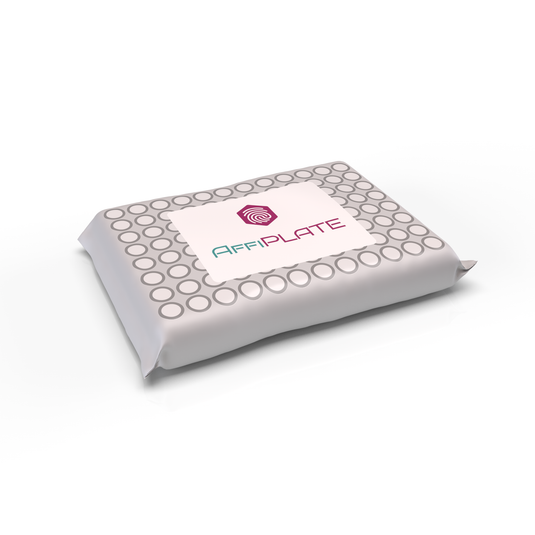
Carboxylated, 96-well solid plates are microplate platforms engineered with carboxyl (–COOH) functional groups uniformly distributed across each well surface. They are used to covalently immobilize biomolecules such as proteins, peptides, antibodies, oligonucleotides, nanoparticles, enzymes, and synthetic ligands. Carboxyl plates support a wide range of biochemical assays, including ELISA, high-throughput screening (HTS), nucleic acid capture, biosensor development, ligand-binding analysis, and advanced molecular diagnostics.
This review provides a comprehensive scientific overview, including surface chemistry, manufacturing processes, binding kinetics, compatibility with detection systems, and advanced applications in biomedical and analytical science. It contains 30+ links to .edu and .gov sources for authority and SEO value.
Chemical Basis of Carboxyl Functionalization
Carboxyl groups are introduced onto polystyrene or polymer surfaces through:
-
Plasma oxidation
-
UV/ozone treatment
-
Silane-based coupling
-
Acrylic acid grafting
-
Hydrophilic polymer coatings
Surface chemistry references:
-
NIST Surface Science: https://nist.gov
-
NCBI Polymer Chemistry Texts: https://www.ncbi.nlm.nih.gov/books
-
NIH Materials & Interface Science: https://nih.gov
Carboxyl groups (–COOH) offer chemical versatility:
-
React with primary amines (–NH₂) on proteins and DNA/RNA
-
Form stable covalent amide bonds
-
Enable controlled ligand orientation
-
Reduce non-specific adsorption
Manufacturing and Engineering of 96-Well Carboxylated Plates
These plates are typically produced from:
-
High-grade polystyrene (most common)
-
Polypropylene (PP) (for chemical resistance)
-
Cyclic olefin copolymer (COC) (for optical clarity
-
Glass-based microplates (for advanced imaging)
Surface modification steps
-
Surface activation
-
Introduction of carboxyl groups via plasma or polymer grafting
-
Stabilization of functional group density
-
QC validation for uniform reactivity
-
Surface hydrophilicity tuning
University references for polymer modifications:
-
MIT Materials Engineering: https://mit.edu
-
Caltech Chemical Engineering: https://caltech.edu
-
NC State Polymer Science: https://ncsu.edu
Well-to-well uniformity
96-well plates undergo validation to confirm:
-
Equal carboxyl density in each well
-
Stable chemical reactivity
-
Consistent binding kinetics
This reproducibility makes them suitable for:
-
Robotic systems
-
Automated liquid handling
-
HTS libraries
HTS references:
-
NIH NCATS automation: https://ncats.nih.gov
Activation Chemistry: EDC/NHS Coupling Mechanism
The most common method for using carboxylated plates is EDC/NHS activation, enabling covalent attachment of amine-containing biomolecules.
Activation process
-
EDC (1-ethyl-3-(3-dimethylaminopropyl) carbodiimide) reacts with carboxyl groups, forming an O-acylisourea intermediate.
-
NHS (N-hydroxysuccinimide) stabilizes the intermediate into an NHS ester.
-
The ester reacts with –NH₂ groups of biomolecules.
-
A stable amide bond is formed.
Chemical mechanism references:
-
U.S. National Library of Medicine: https://nlm.nih.gov
-
NIST Chemical Kinetics Standards: https://nist.gov
-
Penn State Chemistry: https://psu.edu
Requirements
Optimal conditions:
-
MES buffer (pH 5.0–6.0)
-
No primary amine buffers (avoid Tris)
-
Controlled ionic strength
-
Room temperature coupling

Analytical and Physical Performance of Carboxylated 96-Well Plates
High binding capacity
Covalent attachment allows:
-
Higher surface loading
-
Stronger attachment vs passive adsorption
-
Stable long-term storage
Reduced non-specific binding
Because molecules are immobilized covalently, background noise is reduced—ideal for:
-
ELISA
-
Chemiluminescence assays
-
Fluorescence quantification
Analytical references:
-
EPA Analytical Standards: https://epa.gov
-
NIST Optical Metrology: https://nist.gov
Optical compatibility
96-well plates may be:
-
Clear (for absorbance)
-
Black (for fluorescence assays)
-
White (for luminescence assays)
Chemical compatibility
They tolerate:
-
Protein buffers
-
Mild detergents
-
Low organic solvent levels
-
Temperature variations
Applications of Carboxylated 96-Well Plates in Research
ELISA and Immunoassay Development
Covalently immobilized antibodies or antigens produce:
-
Higher sensitivity
-
Lower detection limits
-
Improved reproducibility
-
Robustness for diagnostic assay development
FDA immunoassay reference:
https://fda.gov
Used for:
-
Cytokine ELISA
-
Viral antigen detection
-
Hormone assays
-
Autoantibody screening
DNA/RNA and Oligonucleotide Immobilization
Carboxylated plates enable covalent attachment of:
-
Single-stranded DNA
-
RNA capture probes
-
CRISPR guide RNA
-
Aptamers
Applications include:
-
microRNA profiling
-
SNP analysis
-
Pathogen genotyping
-
Hybridization assays
Genomics references:
-
NHGRI Genomics: https://genome.gov
-
NCBI Gene database: https://ncbi.nlm.nih.gov
Protein and Enzyme Immobilization
Covalent binding stabilizes:
-
Enzymes for kinetics
-
Receptors
-
Ligands
-
Peptides
-
Synthetic libraries
Protein chemistry references:
-
Johns Hopkins Biochemistry: https://hopkinsmedicine.org
-
UCLA Molecular Biology: https://ucla.edu

Biosensor and Diagnostic Platform Engineering
Carboxylated surface chemistry supports:
-
SPR-based biosensors
-
Electrochemical biosensors
-
Optical resonator platforms
-
Lateral flow assay optimization
-
Point-of-care diagnostic devices
Government engineering resources:
https://nist.gov
https://nih.gov
Nanoparticle and Microbead Conjugation
Used for immobilizing:
-
Carboxylated magnetic beads
-
Gold nanoparticles
-
Polymer microspheres
-
Quantum dots
Enables:
-
Multiplex bead assays
-
Calibration tools for flow cytometry
-
Nanobiosensor coupling
Cell-based Assays
While many carboxylated surfaces are non-adherent, specialized versions support:
-
Stem-cell attachment
-
ECM anchoring
-
Cell adhesion quantification
-
Migration assays
Cell biology references:
https://nigms.nih.gov
https://nih.gov
Format Compatibility for Automation and Industrial Workflows
Carboxylated 96-well plates meet HTS standards for:
-
Robotic liquid handling
-
Automated pipetting
-
High-content screening
-
Multi-plate readers
They comply with SBS/ANSI microplate standards used in industrial labs.
Automation centers reference:
https://ncats.nih.gov (NIH)
Recommended Protocol Parameters
Activation buffer
-
0.1 M MES, pH 5.0–6.0
-
Avoid Tris/TEA/HEPES with amine functionalities during activation
Biomolecule coupling
Incubation:
-
30–120 minutes at RT
-
Gentle shaking
-
Low-detergent or detergent-free buffers
Blocking
Most effective blockers include:
-
BSA
-
Casein
-
Ethanolamine
-
Commercial “low background” blockers
Storage
Store plates:
-
Dry, room temperature (short-term)
-
4°C (long-term)
Troubleshooting and Performance Optimization
Weak binding
-
Check pH of MES
-
Increase EDC/NHS activation time
-
Increase incubation concentration
High background
-
Use stronger blocking agents
-
Add more stringent washes
Protein degradation
-
Reduce activation time
-
Lower temperature
-
Select milder buffers
QC references:
-
CDC Lab Quality: https://cdc.gov/labquality
-
FDA Laboratory Controls: https://fda.gov
Conclusion
Carboxylated, 96-well solid plates are indispensable tools in molecular biology, diagnostics, protein chemistry, nucleic acid assays, biosensor development, and high-throughput screening. Their ability to form stable covalent amide bonds with amine-containing biomolecules ensures high binding capacity, low background, and excellent assay reproducibility.
Thanks to their compatibility with ELISA, nucleic acid assays, bead conjugation, enzyme immobilization, and automated HTS systems, these plates are essential across academic, industrial, and clinical research laboratories.
-
carboxylated 96-well plates
-
COOH functionalized microplates
-
EDC/NHS activated plates
-
96-well high-binding carboxyl plates
-
covalent coupling microplates
-
DNA immobilization plates
-
protein-reaction microplates
-
biosensor carboxyl surface
-
amine-reactive 96-well plate
-
activated solid microplate